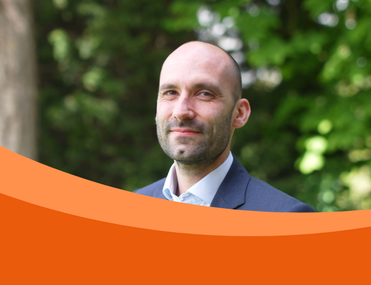
Dr Tom Nutt, Chief Executive of Meningitis Now says:
“We are deeply saddened to hear of the deaths of two young people following the reported outbreak of meningitis linked to the University of Kent and schools local to Canterbury. Our heartfelt thoughts are with their families, friends and the entire community at this incredibly difficult time.
Meningitis can progress very quickly and its impact is devastating, particularly for young people and their loved ones. University students and young adults are among the groups at increased risk because they are more likely to carry the bacteria that can cause meningitis, and because bacteria can spread more easily in settings where students and young people live, study and socialise closely together.
We urge students, young people, staff and families to remain vigilant for the signs and symptoms of meningitis, which can include a high fever, severe headache, vomiting, sensitivity to light, confusion, cold hands and feet, limb pain, and, in some cases, a rash that does not fade under pressure.
Symptoms can appear suddenly and can easily be mistaken for flu, a heavy cold or even the after-effects of a night out, so it is vital that anyone who is concerned seeks urgent medical help immediately.
We welcome the swift response from the UK Health Security Agency to identify close contacts and provide precautionary antibiotics where needed. Rapid public health action is crucial in helping to reduce the risk of further cases. We are offering our support and resources to the university, schools and wider community to help in any way we can.
At Meningitis Now we are here to support anyone affected by meningitis, whether they are directly affected themselves, supporting a loved one, or dealing with the aftermath of the disease. Our support services are available to anyone who needs information, guidance or someone to talk to during what can be a frightening and uncertain time. You can find our more information from www.meningitisnow.org or by calling our nurse-led Helpline on 0808 80 10 388, open Monday to Friday.
Meningitis can affect anyone, but it is most common in babies, young children, teenagers and young adults. Vaccination is the only way of preventing certain types of meningitis, and many students will have had the MenACWY vaccination at school. However, it is important for teenagers and young adults to be aware that they are unlikely to have been vaccinated against one of the most common causes of meningitis in this age group, which is MenB. We encourage everyone to check that they and their families are up to date with the vaccines available to them and to be aware of the signs and symptoms too.
This tragic situation is a stark reminder of why our “No Plan B for MenB” campaign is calling for greater protection against meningococcal group B, or MenB, disease. MenB is one of the most common causes of bacterial meningitis in the UK and can strike suddenly with life-changing consequences. Since 2015 only infants have been vaccinated against MenB and we believe all teenagers and young adults should be protected by this vaccine on the NHS. Currently the vaccine is only available privately through high-street and supermarket pharmacies.
If anyone is worried about symptoms, trust your instincts and seek urgent medical help. Acting quickly can save lives.